ACM Multimedia 2026 Grand Challenge

NeuroMM Grand Challenge

Interictal Epileptiform Discharge Detection and Localization in Multimodal Neuro-Signals

A clinically grounded benchmark for multimodal neuro-intelligence with robust detection, context-aware reasoning, and epileptogenic source localization.

Intro

A unified challenge for clinically meaningful multimodal neuro-signal reasoning.

Epilepsy remains a high-impact testbed for trustworthy AI, where Interictal Epileptiform Discharges (IEDs) are critical biomarkers for diagnosis and localization. Existing methods are often EEG-only and do not fully exploit multimodal context, leading to limited robustness under class imbalance, biological variability, and real-world noise.

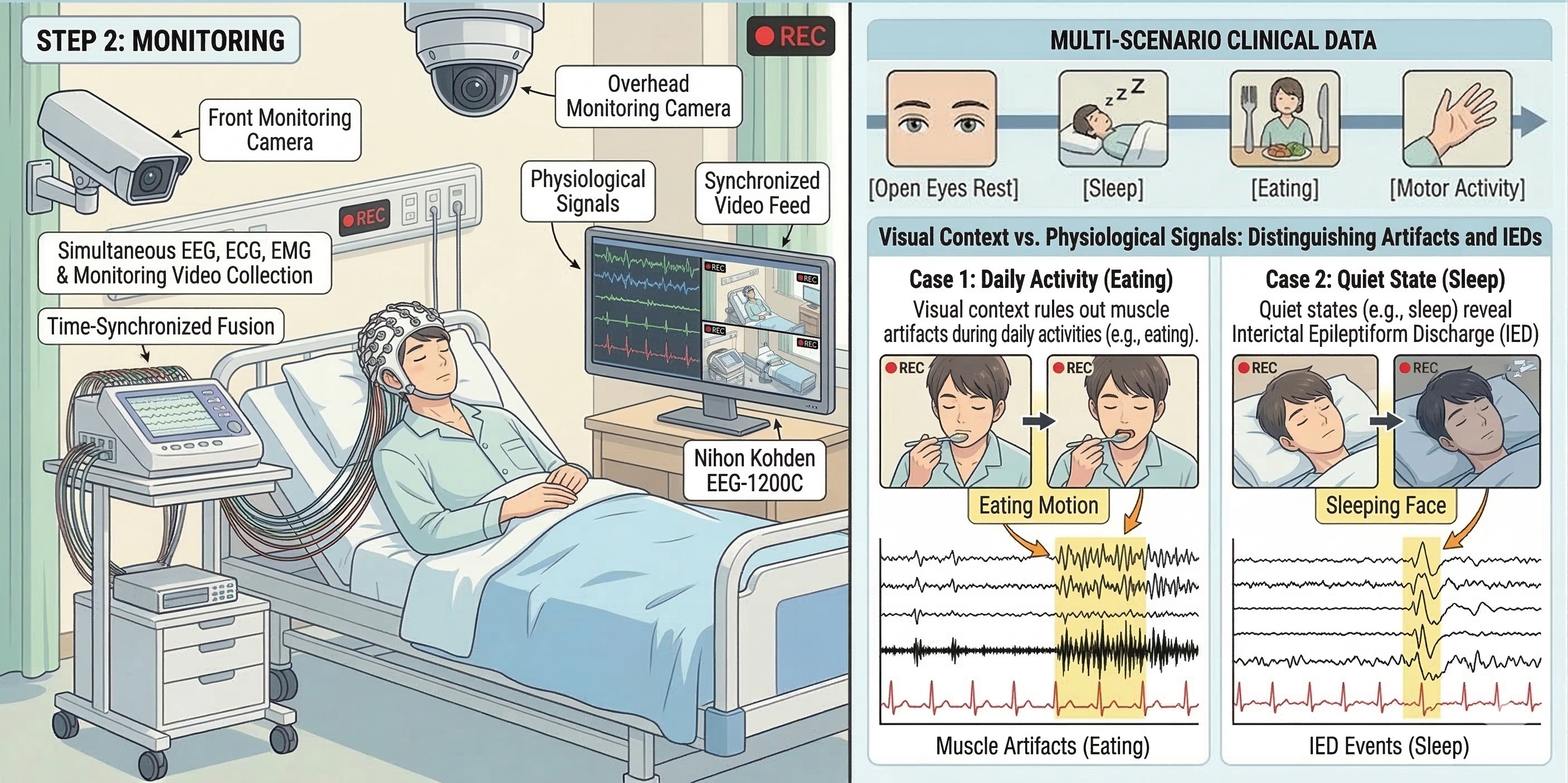
NeuroMM 2026 addresses this gap by introducing a multimodal challenge framework that integrates physiological signals with synchronized contextual information. The challenge is designed to advance robust multimodal perception, cross-modal reasoning, and clinically actionable inference.

The challenge includes three official tracks: NMM-Basic-IED, NMM-Context-IED, and NMM-Source-IED, covering detection, context-aware robustness, and spatial localization.

Prizes & Awards

Publication and award policy for all challenge tracks.

  • We encourage all participating teams to prepare their challenge solutions as papers and submit them to the NeuroMM Workshop 2026.
  • The top three teams in each track will receive certificates, provided that they submit a paper and their code passes the official review.
  • Three outstanding papers will be selected from all submitted challenge papers and recommended to the ACM MM main conference proceedings.
  • Award evaluation will consider both the single-track ranking and the quality of the submitted paper.
  • Each participating team can have at most one paper recommended to the ACM MM main conference proceedings.

Dataset

The challenge dataset is sourced from vEpiSet [1,2].

Data Overview

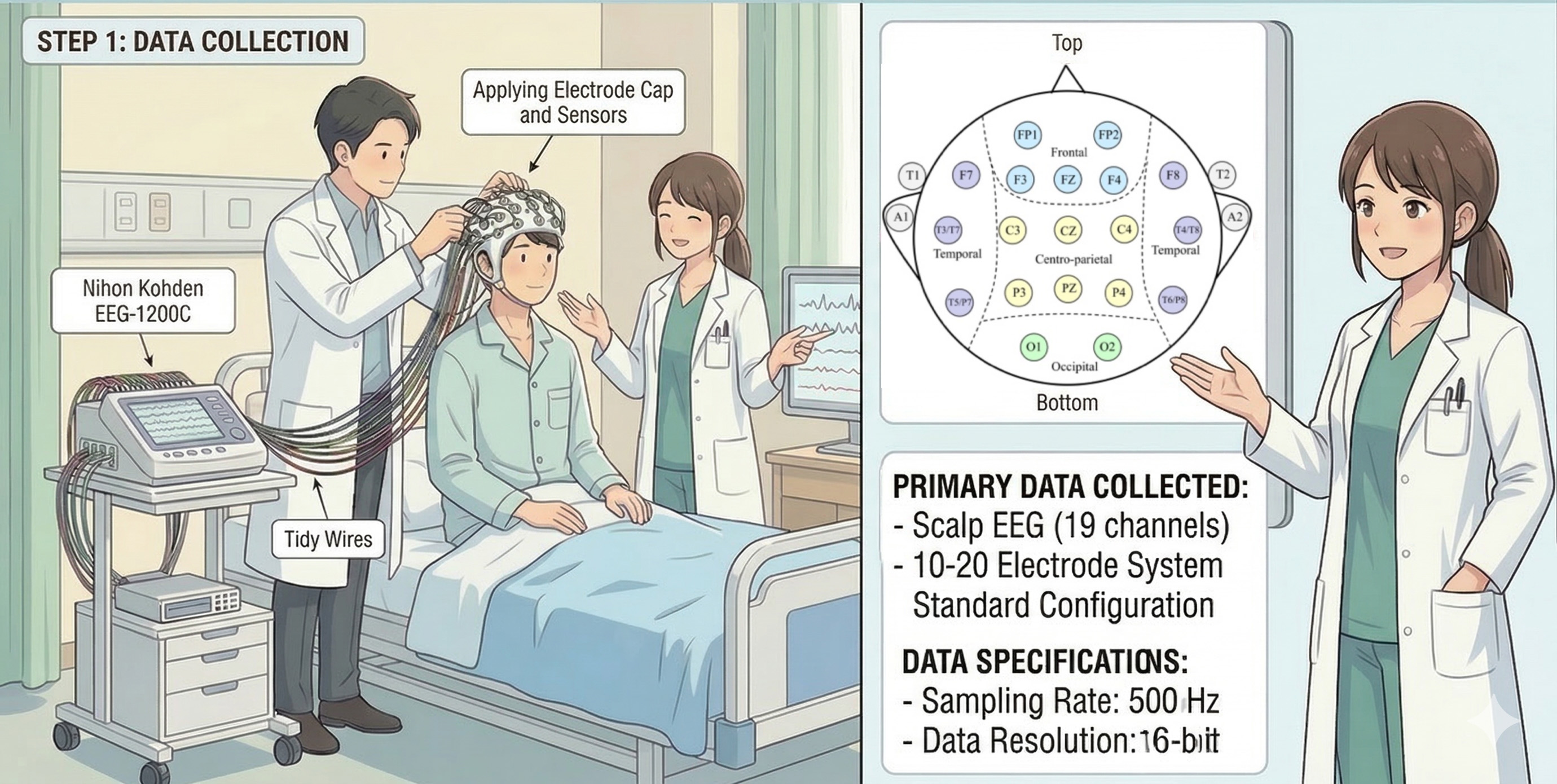
  • 84 subjects total: 52 epilepsy patients and 32 normal-control subjects.
  • 20 minutes continuous recording per subject; approximately 28 hours total.
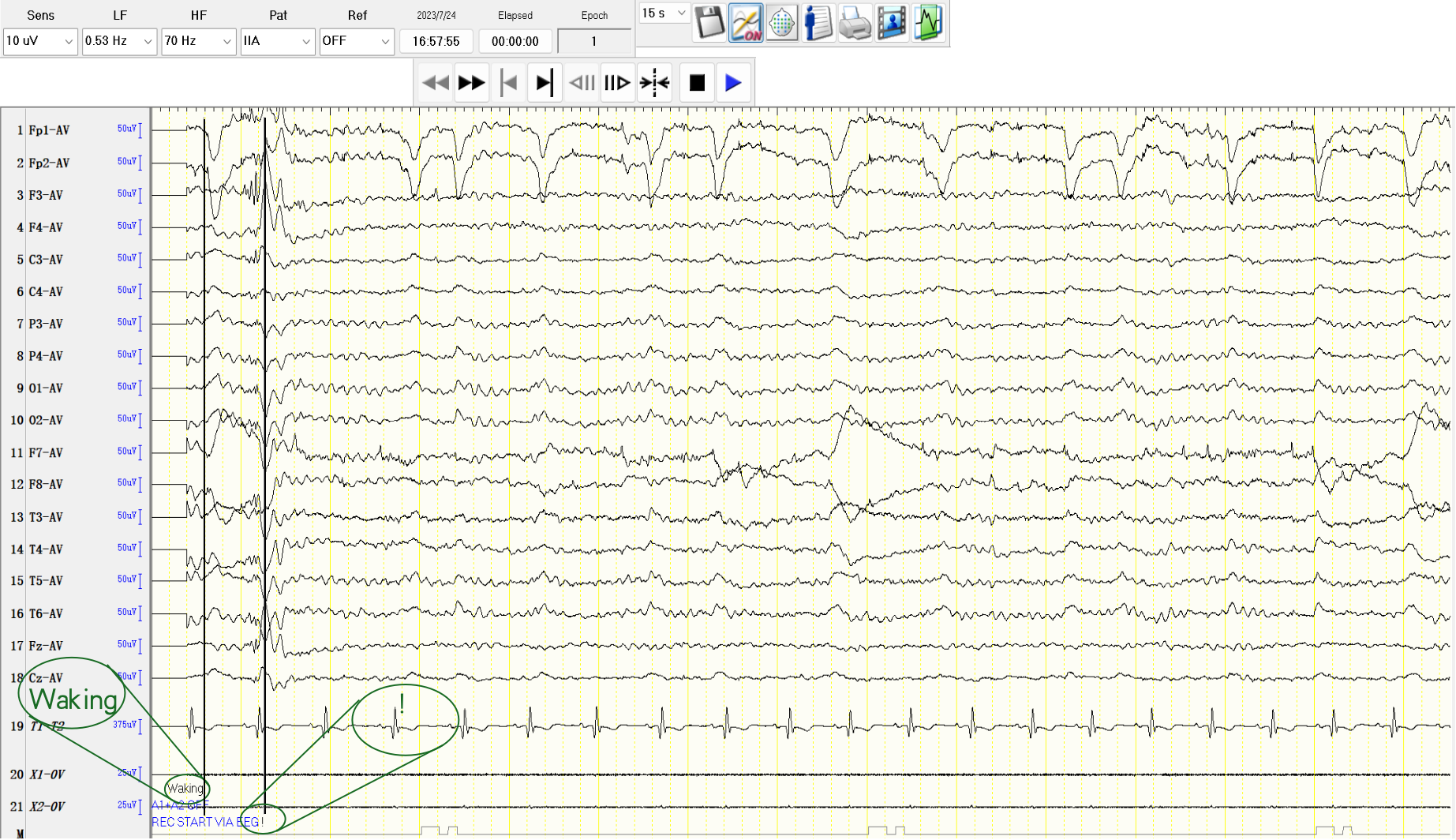
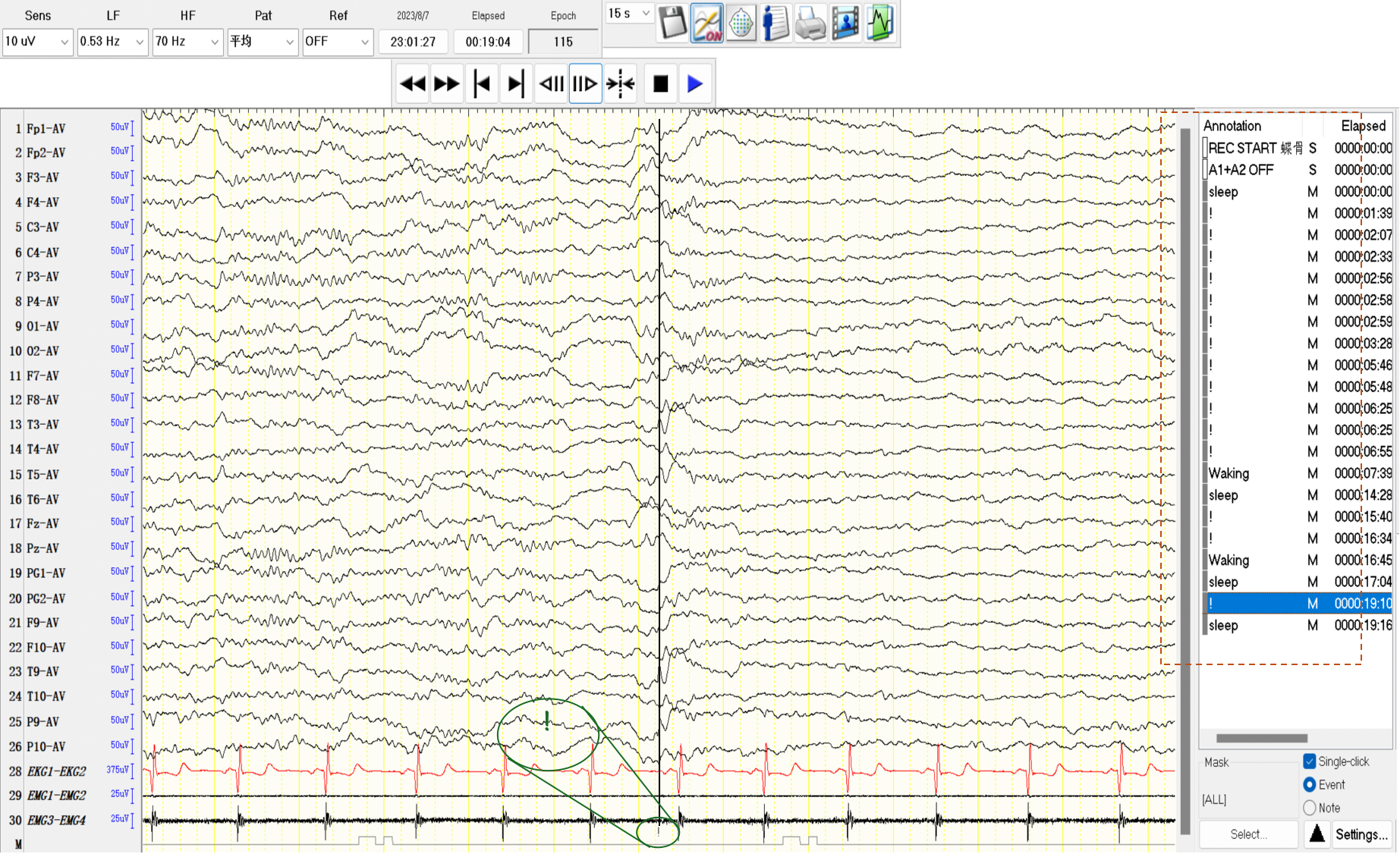
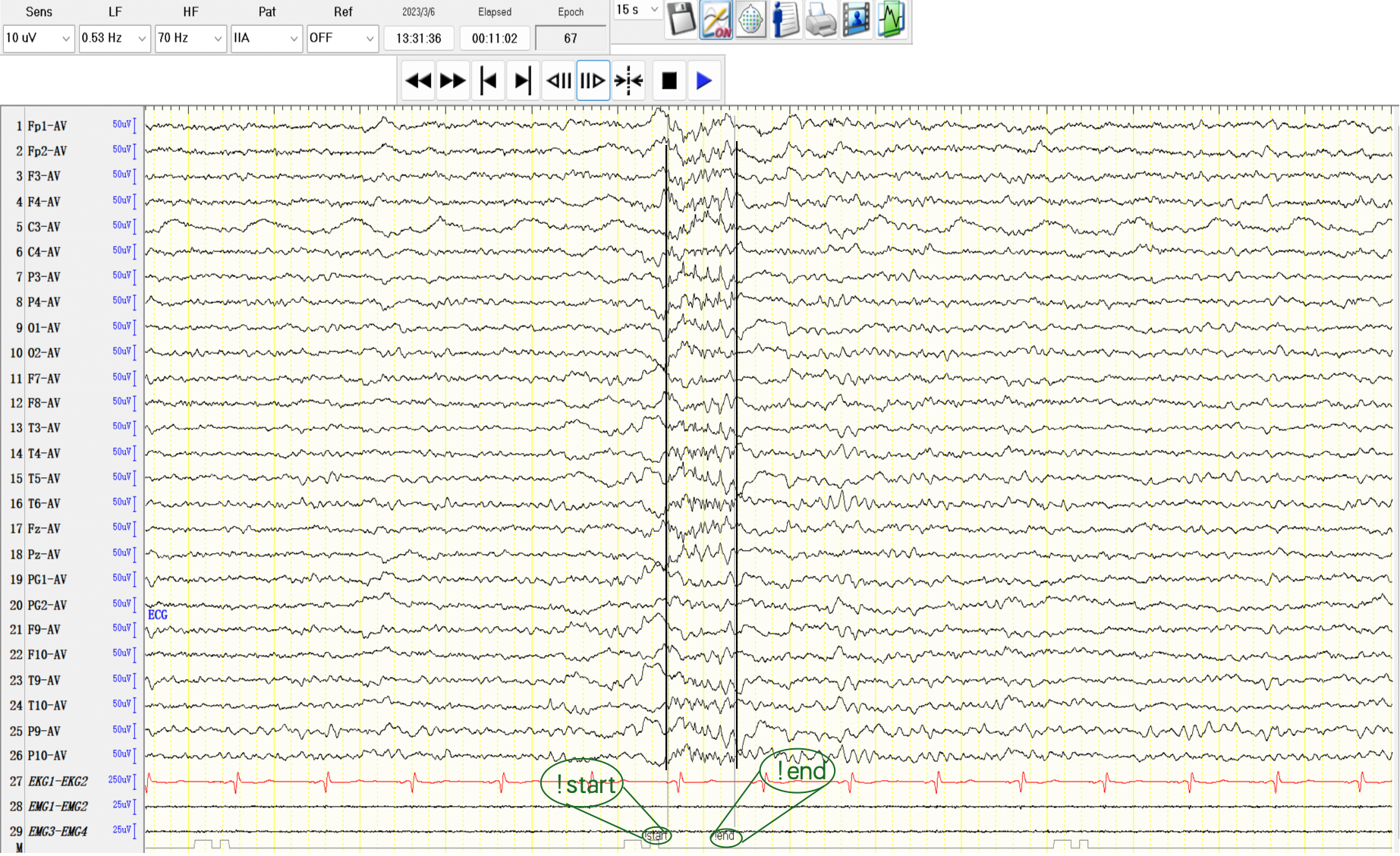
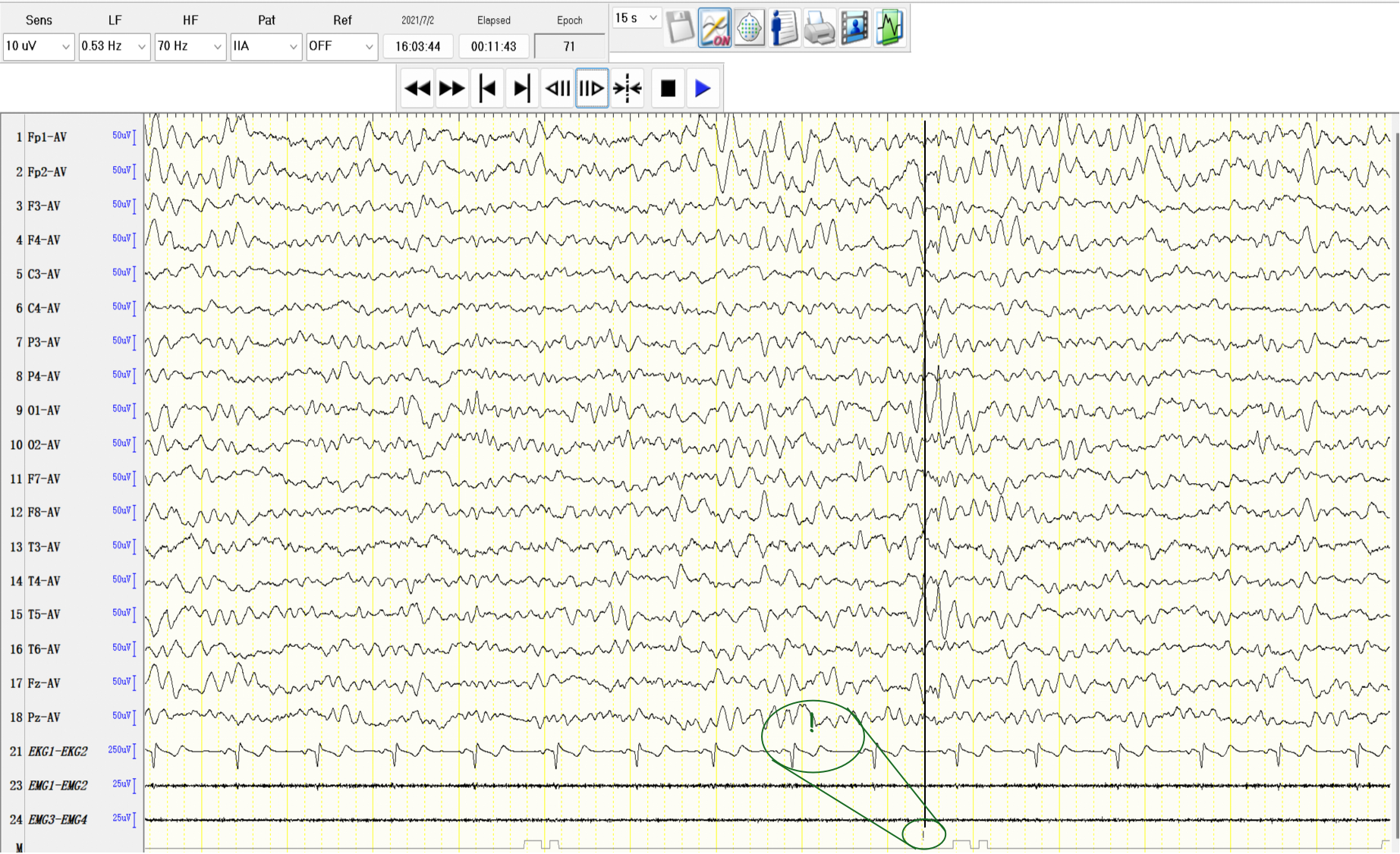
  • Signals include EEG, ECG, and EMG acquired under standardized clinical protocol.
  • 4-second segmentation protocol yielding 25,449 epochs in total.
  • Expert-reviewed multi-stage labeling with consensus verification.
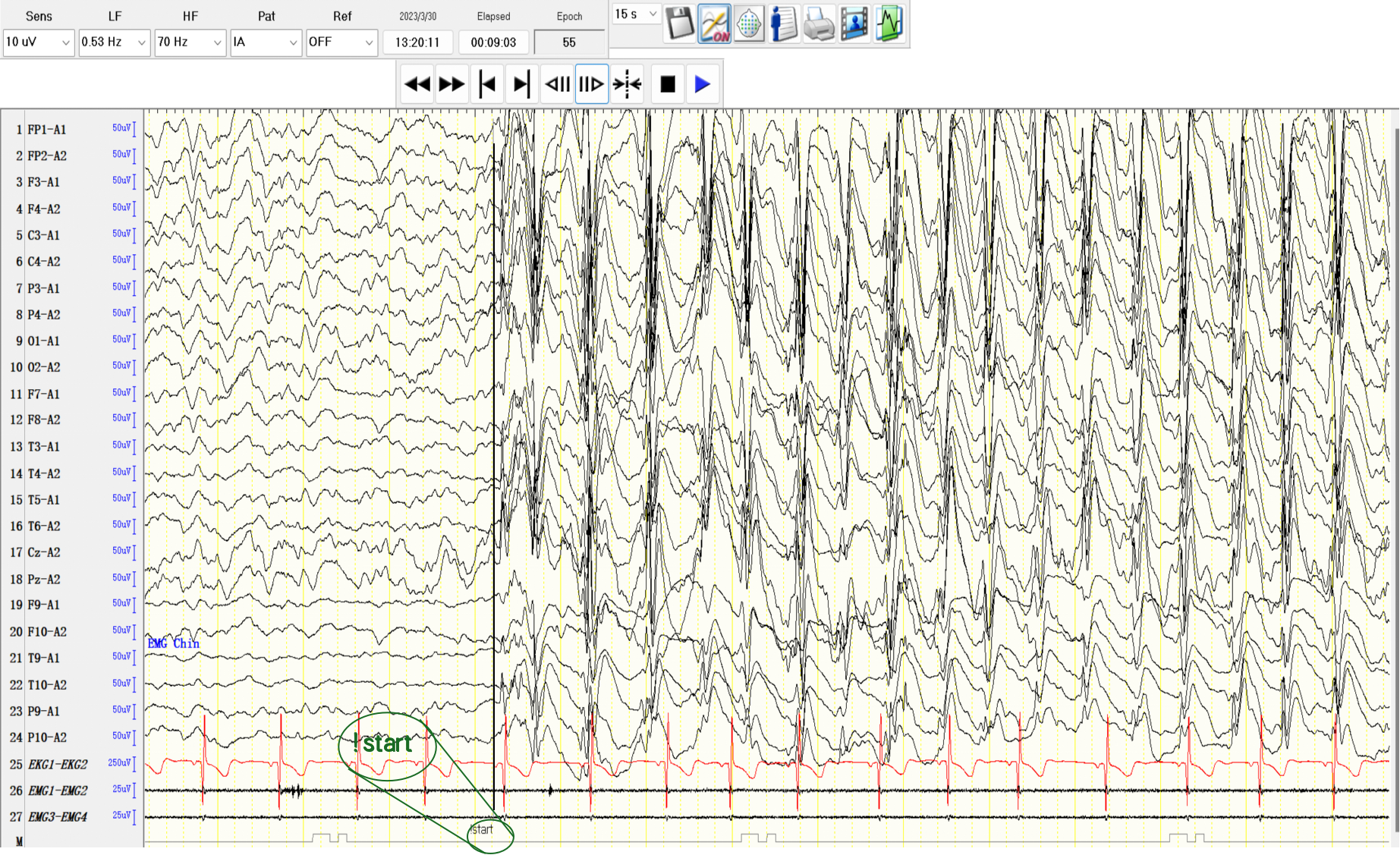
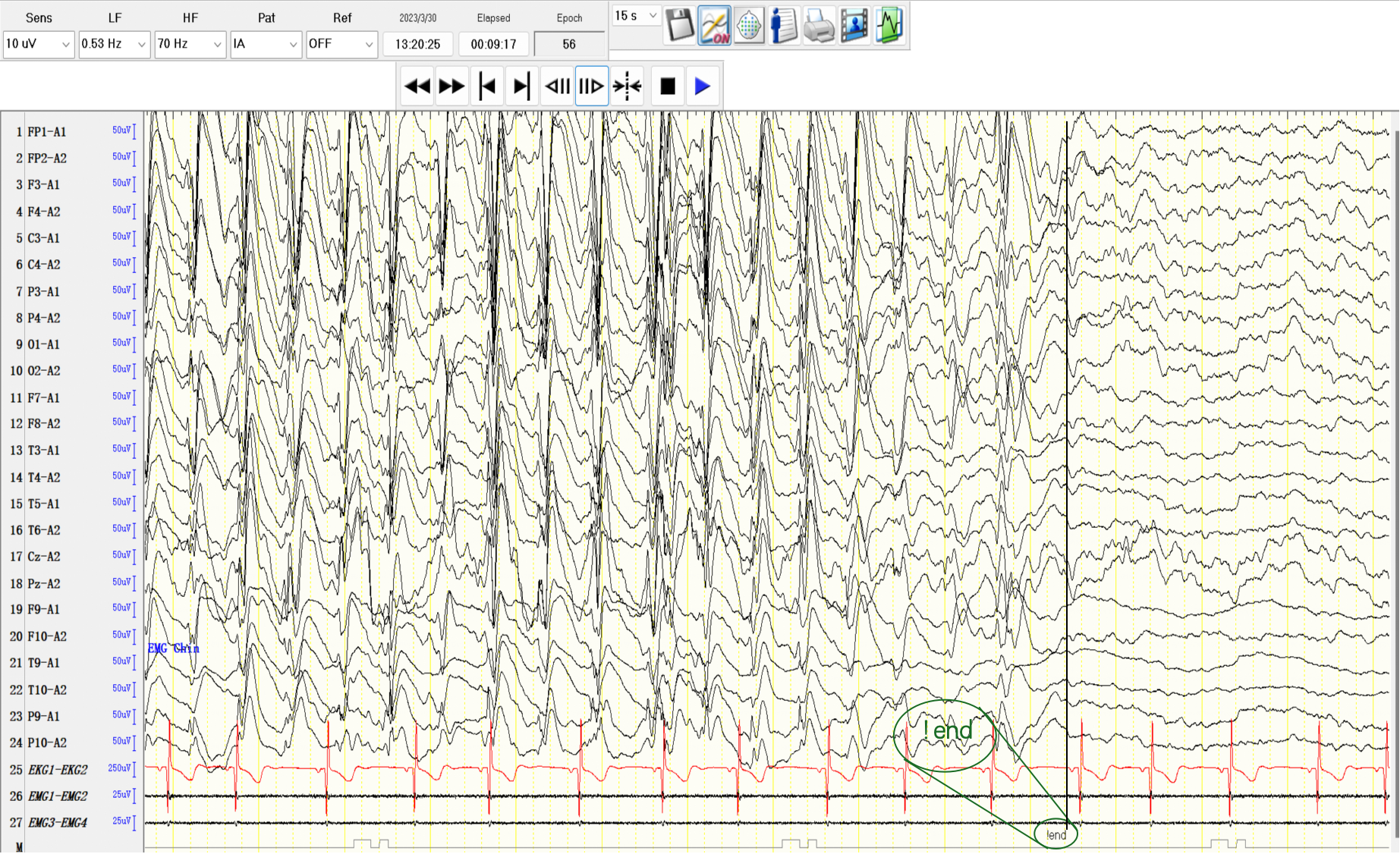
  • IED subtypes for localization: generalized, frontal, temporal, occipital, centro-parietal.

Epoch Statistics

State Total IED Non-IED
Wake11,90676411,142
Sleep13,5431,75211,791
Total25,4492,51622,933

Dataset Preview

Dataset Access

The NeuroMM 2026 Train & Val dataset is now available on Hugging Face by application.

Participants must submit the dataset request form on Hugging Face. Submitting the request indicates agreement with the NeuroMM-2026 Challenge dataset usage agreement.

Dataset (Train & Val)

Registration & Submission

Challenge timeline, CodaBench tracks, and participation rules.

Challenge Timeline

NeuroMM-2026 Challenge will officially start at 00:00 on May 21, 2026 (Beijing Time) and close at 24:00 on Jun 11, 2026 (Beijing Time). Please arrange your work carefully and complete submissions on time.

CodaBench Competitions

A team may participate in one or multiple tracks according to its interests and research directions.

Participation Notes

  1. Teams must submit the dataset application form on Hugging Face. Submission of the form indicates agreement with the NeuroMM-2026 Challenge dataset usage agreement.
  2. Each team must use only one account to register for CodaBench competitions. We recommend using the same email account for Hugging Face and CodaBench to support later review and management.
  3. Dataset applications will be reviewed in batches every morning, afternoon, and evening. Please wait patiently after submission.

Official ACM MM 2026 Policy Notice

  • Presentation Policy: ACM Multimedia 2026 is an on-site event only. All papers and contributions must be presented by a physical person on-site. Remote presentations are not hosted or allowed. Papers/contributions not presented on-site will be considered no-show and removed from the conference proceedings.
  • Open Access Policy: ACM has started the Open Access publishing model. Please check the official ACM MM 2026 policy page: https://2026.acmmm.org/site/calls-dates.html.

Baseline

Baseline resources, evaluation setup, and code release status.

Evaluation Metrics

NMM-Basic-IED

  • Primary metric: AUPRC
  • Auxiliary metric: Precision@Sensitivity=70%
  • Focus: robust binary IED detection under severe class imbalance

NMM-Context-IED

  • Primary metric: AUPRC
  • Auxiliary metric: Precision@Sensitivity=70%
  • Focus: artifact suppression with synchronized visual context features

NMM-Source-IED

  • Primary metric: Weighted-F1
  • Auxiliary metric: Macro-F1
  • Focus: 5-class localization of epileptogenic regions

Code

The official baseline code and starter toolkit are now available on GitHub.

Baseline Code

Schedule

Official timeline for NeuroMM Grand Challenge 2026.

Date Milestone
May 1, 2026Baseline paper and code available
May 21, 2026
00:00 (Beijing Time)
Results submission opens
Jun 11, 2026
24:00 (Beijing Time)
Results submission deadline
Jun 25, 2026Paper submission deadline
Jul 16, 2026Paper acceptance notification
Aug 1, 2026Camera-ready paper deadline

Organizers

Challenge Chairs

Haibo He
Haibo He

NetEase Media Technology (Beijing)

Qiang Lu
Qiang Lu

Peking Union Medical College Hospital

Zebang Cheng
Zebang Cheng

Shenzhen University & Guangming Laboratory

Data Chairs

Nan Lin
Nan Lin

Peking Union Medical College Hospital

Heyang Sun
Heyang Sun

Peking Union Medical College Hospital

Weifang Gao
Weifang Gao

Peking Union Medical College Hospital

Yuan Gao
Yuan Gao

Peking Union Medical College Hospital

Yisu Dong
Yisu Dong

NetEase Media Technology (Beijing)

Lian Li
Lian Li

NetEase Media Technology (Beijing)

Zi Liang
Zi Liang

NetEase Media Technology (Beijing)

Peng Hu
Peng Hu

NetEase Media Technology (Beijing)

Philippe Fournier-Viger

Shenzhen University

Tong Xu
Tong Xu

Shenzhen University

Hongbo Xu
Hongbo Xu

Guangming Laboratory

Minghui Li
Minghui Li

Guangming Laboratory

Advisory Committee

Fei Ma
Fei Ma

Guangming Laboratory

Zitong Yu
Zitong Yu

Great Bay University

Zheng Lian
Zheng Lian

Tongji University

Laizhong Cui
Laizhong Cui

Shenzhen University

Qi Tian
Qi Tian

Guangming Laboratory & Huawei

Contact Us

General Inquiries: contact@neuromm.org

Workshop Collaborations: Fei Ma (Email: mafei@gml.ac.cn; WeChat: feima0969)

Challenge & Registration: Zebang Cheng (Email: zebang.cheng@gmail.com; WeChat: ZebangCheng)

Welcome to join the official NeuroMM 2026 WeChat group for communication.

NeuroMM 2026 official WeChat group QR code

Reference

[1] Lin N, Gao W, Li L, Chen J, Liang Z, Yuan G, Sun H, Liu Q, Chen J, Jin L, Huang Y, Zhou X, Zhang S, Hu P, Dai C, He H, Dong Y, Cui L, Lu Q, vEpiNet: A multimodal interictal epileptiform discharge detection method based on video and electroencephalogram data, Neural Networks, Volume 175, 2024, 106319, https://doi.org/10.1016/j.neunet.2024.106319

[2] Lin N, Zheng M, Li L, Du X, Zhang S, Hu P, Lu Q, Cui L, An EEG dataset for interictal epileptiform discharge with spatial distribution information, Scientific Data, Volume 12, 2025, 229, https://doi.org/10.1038/s41597-025-04572-1